Beyond the Machine
Graphic Design
Expertise Delivered
Logo Design
Branding
Web Design
Webflow Development
Share this

Expertise Delivered
Logo Design
Branding
Web Design
Webflow Development
AdvancedFX is a brand identity and Webflow website design project for a first-class foreign currency services provider, advising corporate and private clients on foreign exchange, international payments, and risk management. The project modernised the brand with a bold new logo, a cohesive visual identity, and a responsive, professionally built website — giving AdvancedFX the digital presence its expertise demands.
Trust is the currency of foreign exchange. AdvancedFX needed a brand refresh and website that immediately communicated professionalism, authority, and reliability to both corporate treasurers and private clients. An outdated visual identity was undermining the firm's credibility in a sector where perception directly influences client confidence.
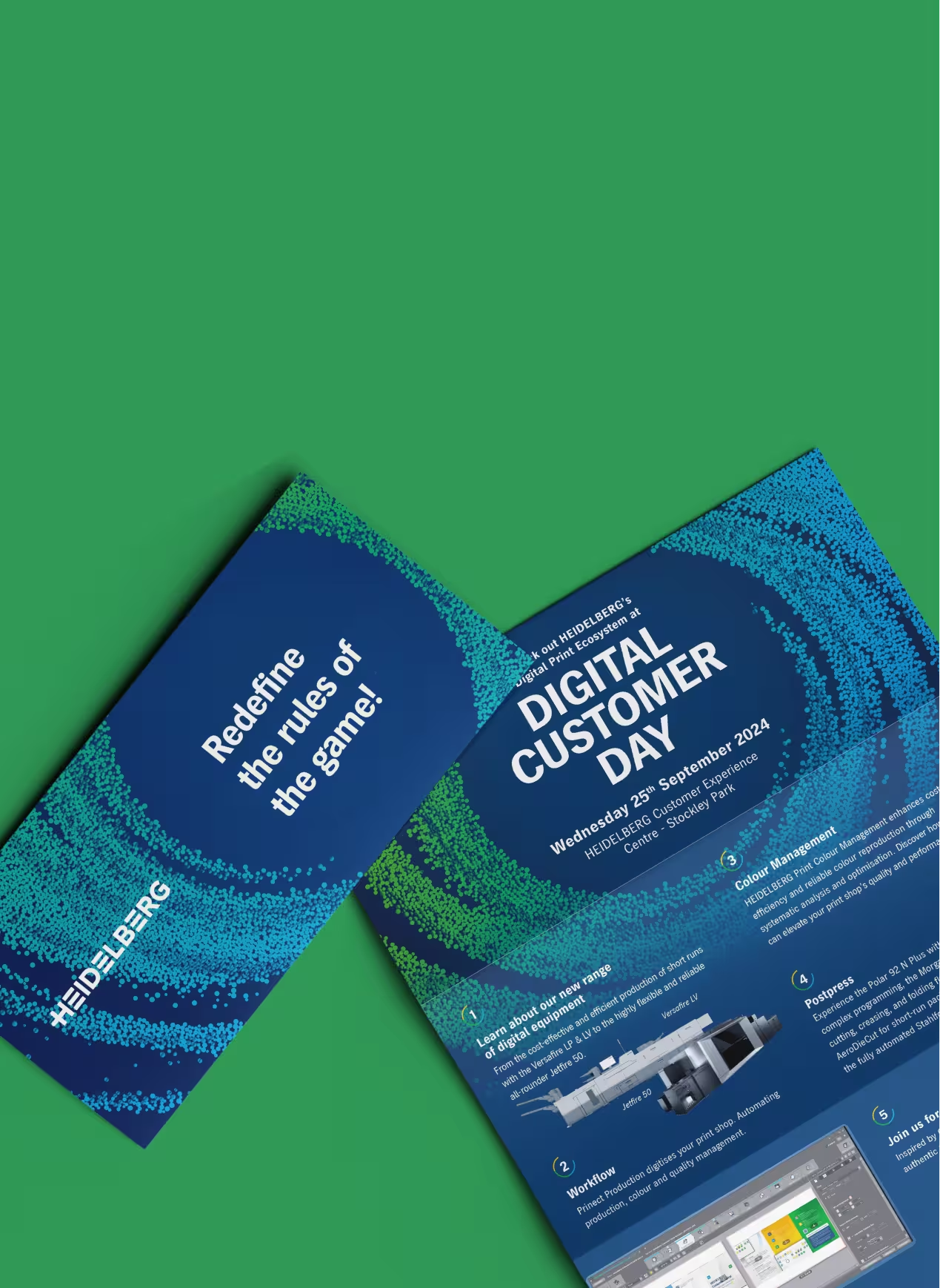
A refined, contemporary logo and brand system were developed, supported by logo variations and branded print assets including an advertorial. The Webflow-built website was designed to be clean, fast, and mobile-responsive — putting the firm's expertise front and centre whilst making it easy for clients to understand the services and get in touch.
AdvancedFX now has a brand and digital presence that reflects the calibre of their service. The project demonstrates how modernising a financial services brand through strategic design and Webflow development can strengthen client trust, improve online engagement, and position a firm for sustained growth in a highly competitive market.


Here are some quick answers to the most common ones. From timelines and pricing to content and post-launch support, this section covers what you need to know before starting your project.
Can’t find the answer you are looking for? Get in touch
I specialise in brand design, visual identity systems, and Webflow website design & development. This includes Graphic Design, logos, Brand strategy Design systems, brand guidelines, and fully responsive websites.
I work with startups, founders, and growing businesses that want a clear, premium, and strategic brand presence.
I focus on strategy first, not just visuals. Everydesign decision is intentional and aligned with your brand positioning andgoals.
You’ll be involved at key stages (feedback & approvals), but I handle the heavy lifting.
Most projects include 2–3 revision rounds to ensure we get everything just right.
Yes - I require a 50% upfront deposit to secure your projects priced £100-£1500. If its over £1500 then i would request smaller payments 25% with milestone completions.
Simply contact me via the following
to discuss your project, objectives, and timelines.


.avif)
.avif)







.avif)
